Anti-Inflammatory Foods for Eye Health
Discover how nutritional choices directly impact your vision and eye wellness. Explore our comprehensive guide to foods that support healthy eyes through natural anti-inflammatory compounds.
The information on this site is for educational purposes only and does not constitute medical advice. Always consult a qualified healthcare professional before making health decisions.
Browse by Category
Top Anti-Inflammatory Foods for Eye Health
Spinach
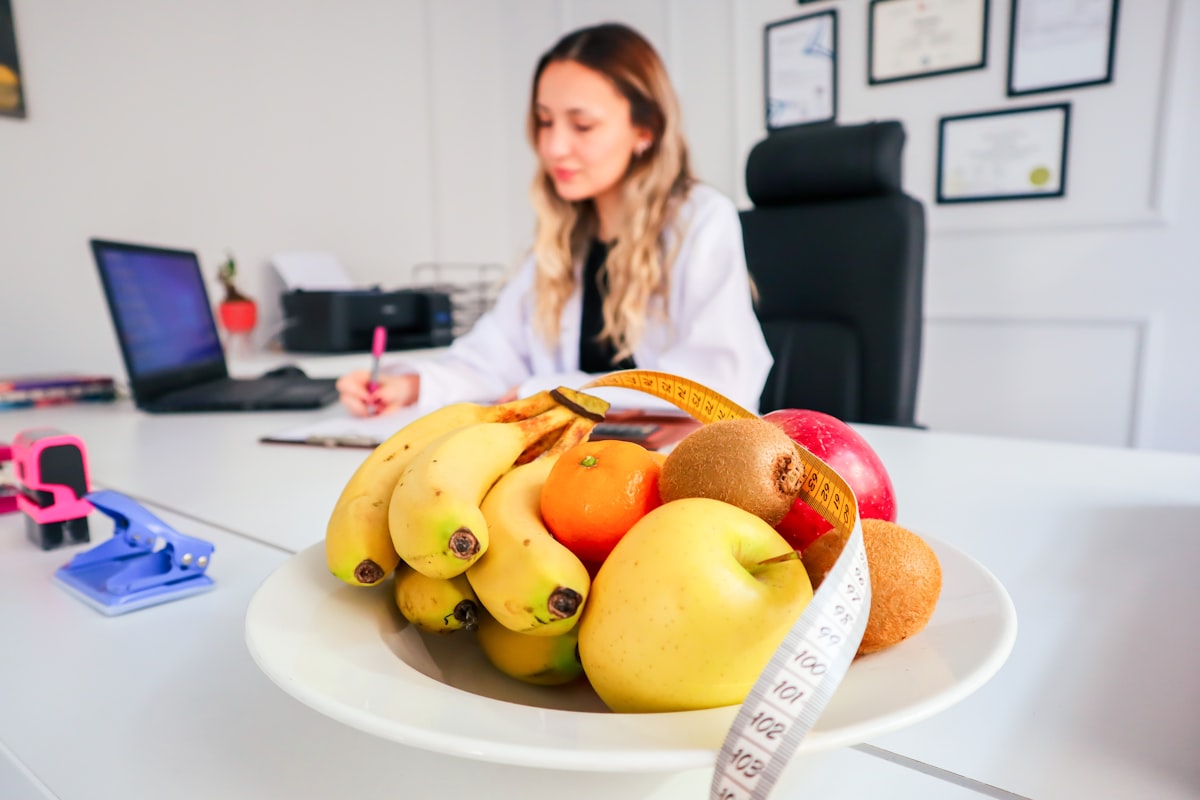
Packed with lutein and zeaxanthin, spinach is one of the most beneficial leafy greens for protecting the macula—the central part of your retina responsible for sharp vision.
Key Compounds: Lutein, zeaxanthin, vitamins A, C, E
Best Preparation: Fresh in salads or lightly steamed
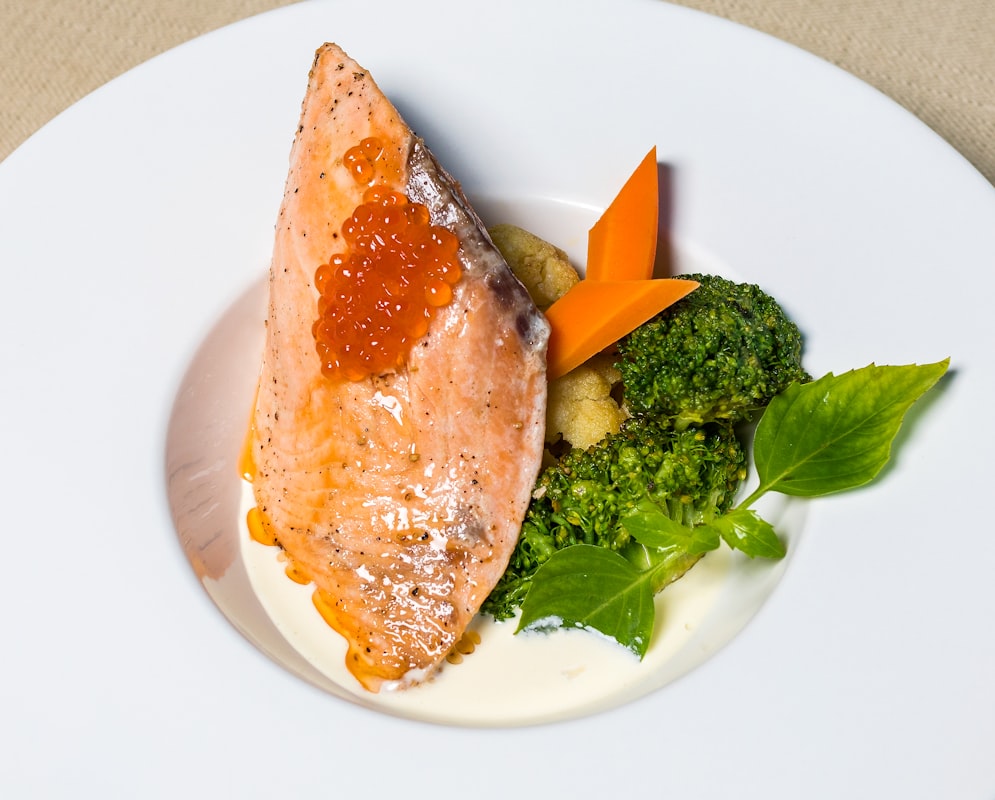
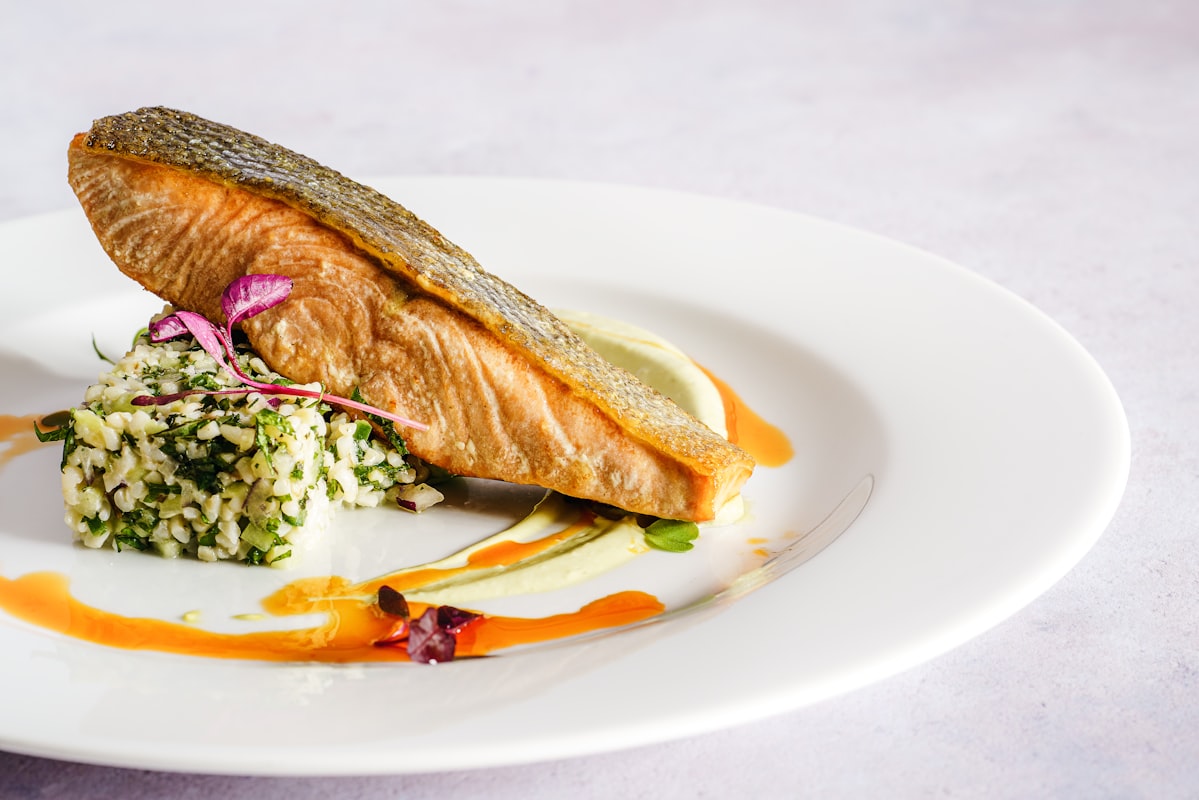
Wild-Caught Salmon
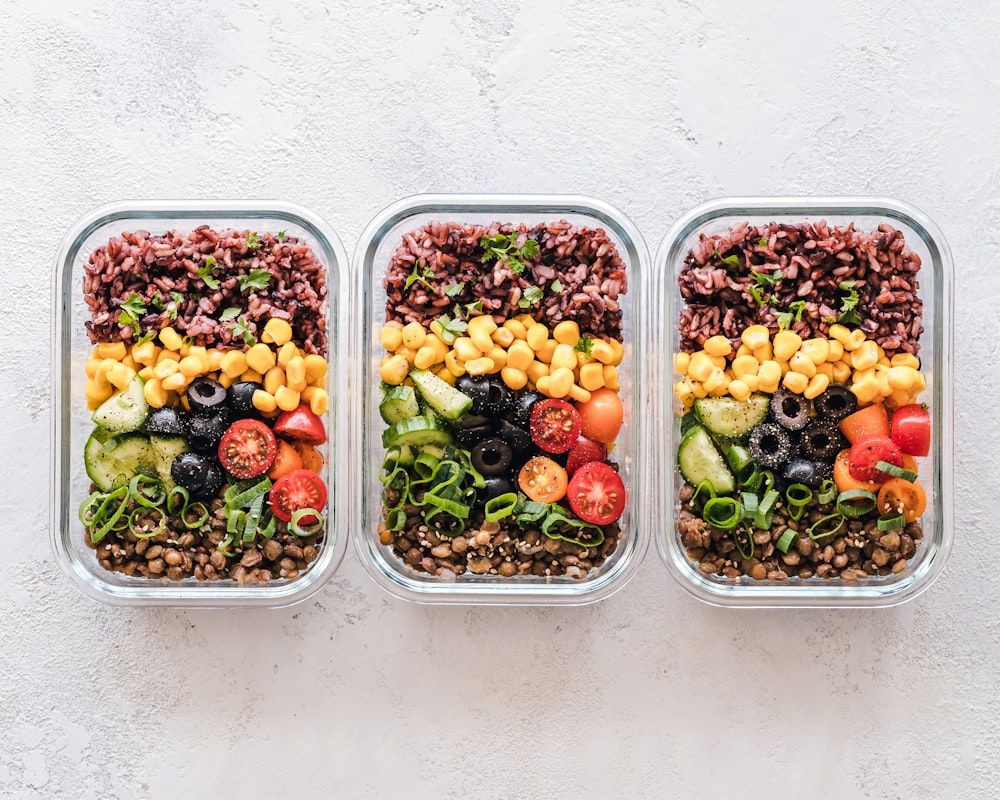
An excellent source of omega-3 fatty acids, salmon supports retinal health and reduces inflammation throughout the eye tissues, contributing to overall vision maintenance.
Key Compounds: Omega-3 fatty acids, astaxanthin, vitamin D
Best Preparation: Baked or grilled 2-3 times weekly

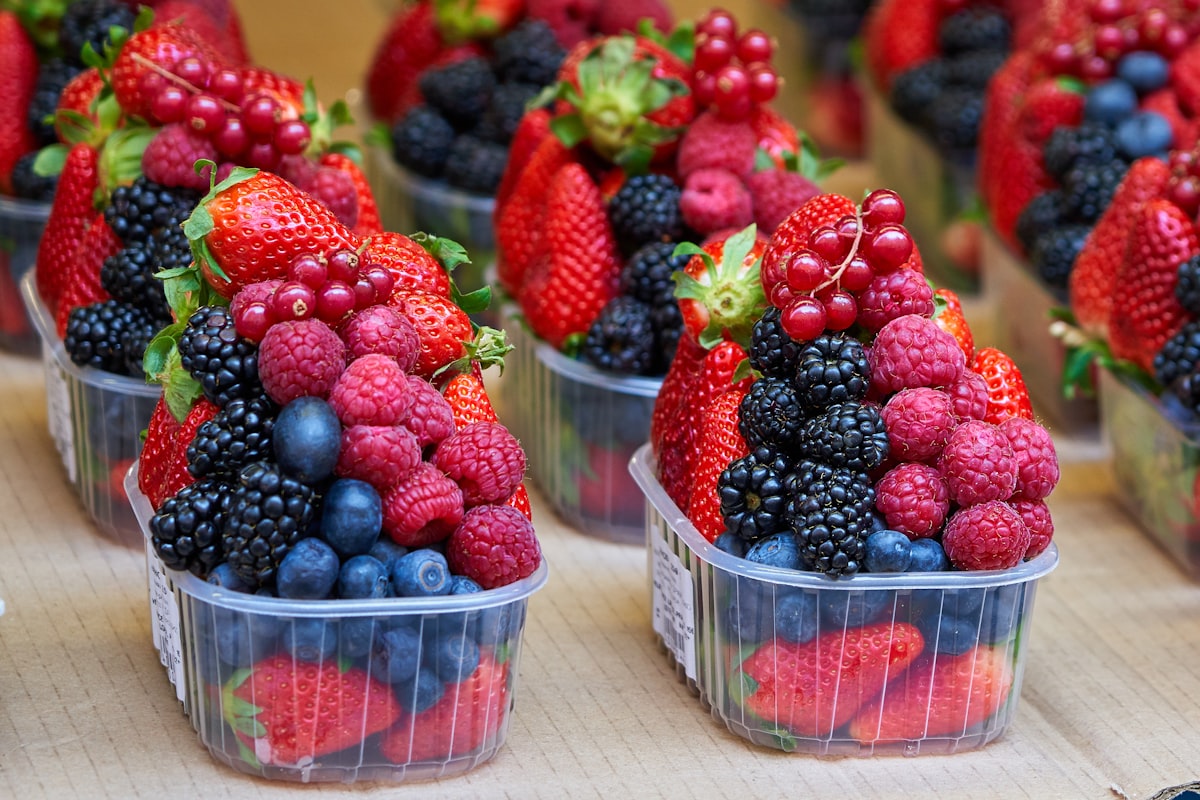
Blueberries
Rich in anthocyanins, blueberries have strong antioxidant properties that protect eye cells from oxidative stress and may support long-term visual function.
Key Compounds: Anthocyanins, vitamin C, fiber
Best Preparation: Fresh or frozen, added to breakfast
Kale
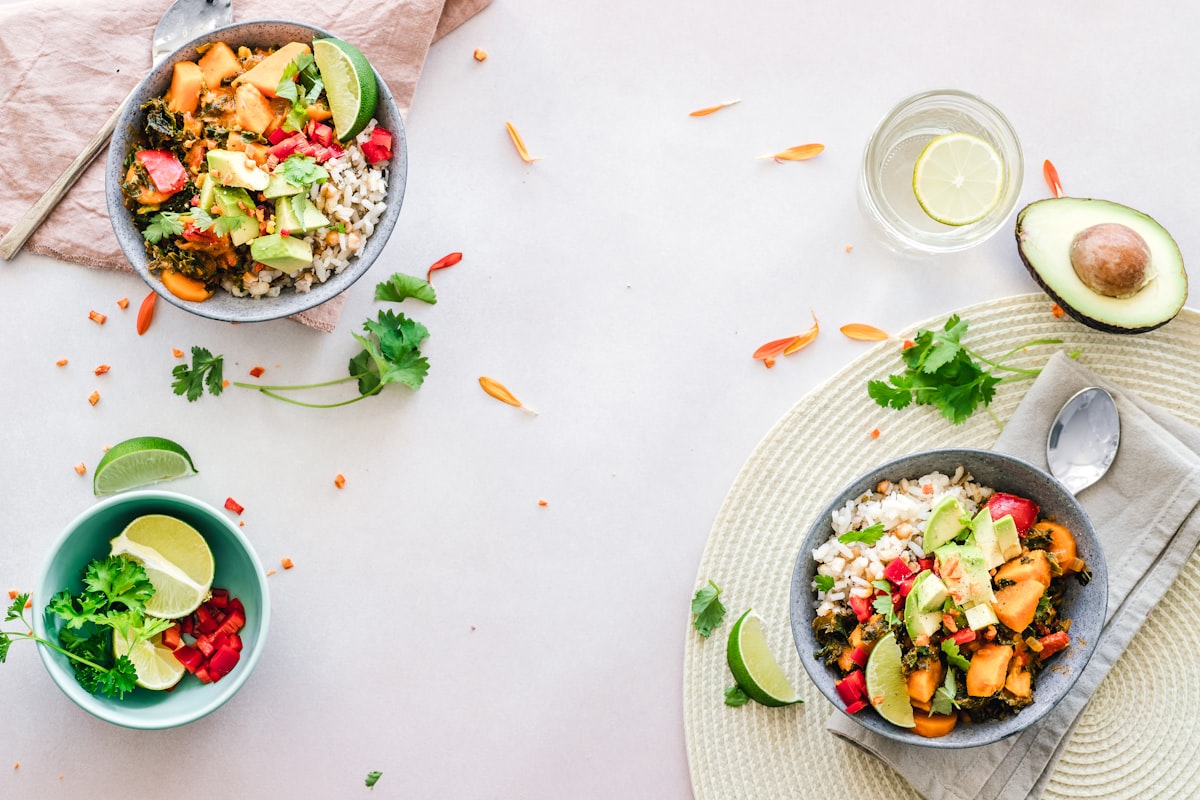
More concentrated in lutein and zeaxanthin than spinach, kale is a nutritional powerhouse for supporting macular health and reducing age-related vision changes.
Key Compounds: Lutein, zeaxanthin, vitamin K, calcium
Best Preparation: Massaged salad or lightly cooked
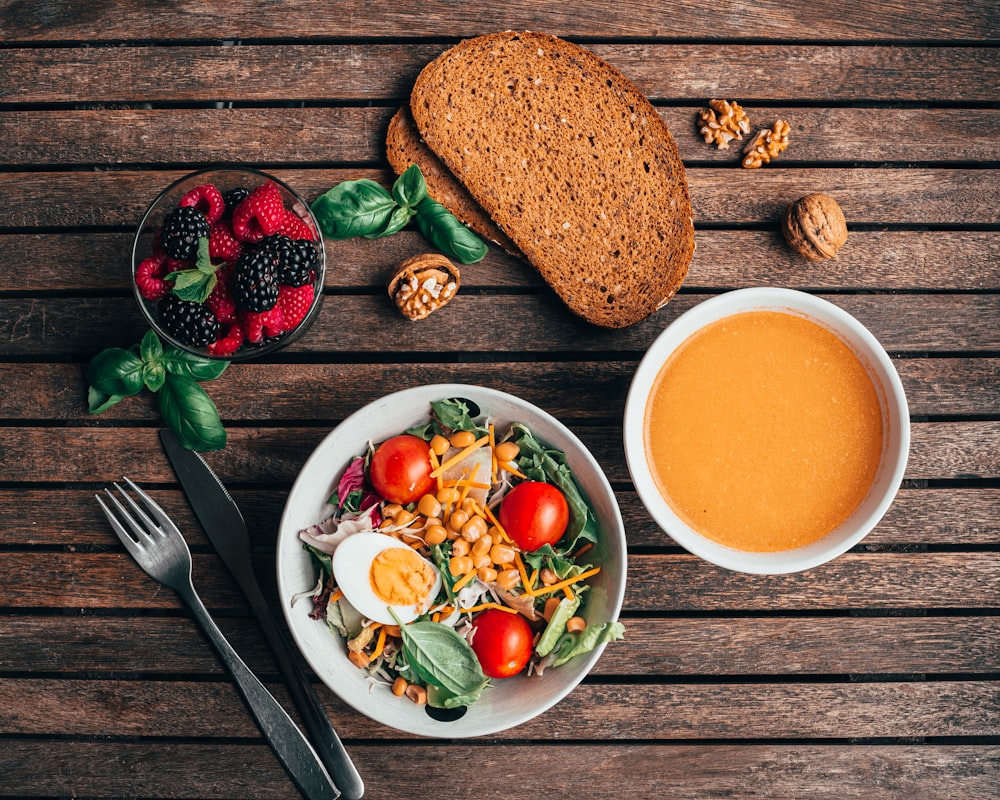
Almonds & Walnuts
These nuts provide vitamin E and omega-3 fatty acids that protect the eye's delicate tissues from oxidative damage and support overall vascular health.
Key Compounds: Vitamin E, omega-3 acids, magnesium
Best Preparation: Raw or roasted snack portion, about 1 ounce daily

Carrots
Abundant in beta-carotene, carrots convert to vitamin A in your body, which is essential for retinal function and maintaining clear vision in various light conditions.
Key Compounds: Beta-carotene, vitamin A, antioxidants
Best Preparation: Raw, steamed, or roasted to enhance absorption
Red Bell Peppers
Loaded with vitamin C and carotenoids, red peppers help neutralize free radicals that can damage eye structures and support the health of small blood vessels in the retina.
Key Compounds: Vitamin C, lutein, zeaxanthin, beta-carotene
Best Preparation: Raw in salads or roasted as side dish
Dark Chocolate
High-quality dark chocolate contains flavonoids that improve blood flow to the eyes and provide antioxidant protection. Choose varieties with at least 70% cocoa content.
Key Compounds: Flavonoids, polyphenols, zinc
Best Preparation: 1 small square (about 10g) of 70%+ cocoa daily
Understanding Eye Health Through Nutrition
How Anti-Inflammatory Foods Support Vision
Protect Retinal Cells
Compounds like lutein and zeaxanthin accumulate in the macula and physically filter harmful blue light wavelengths.
Reduce Inflammation
Omega-3 fatty acids and polyphenols actively reduce inflammatory markers in eye tissues, supporting long-term function.
Support Blood Vessels
Antioxidants like vitamin C and flavonoids strengthen capillaries and improve nutrient delivery to all eye structures.
Combat Oxidative Stress
Antioxidants neutralize free radicals generated by light exposure and metabolic processes, preventing cellular damage.
Did you know? Research shows that people consuming higher levels of lutein and zeaxanthin have significantly lower risk of age-related vision changes.
Essential Nutrients for Eye Health
Lutein & Zeaxanthin
These carotenoids concentrate in the macula and act as natural sunglasses, filtering blue light and protecting photoreceptor cells from damage.
Food sources: Spinach, kale, collard greens, broccoli
Omega-3 Fatty Acids
DHA and EPA are critical structural components of retinal tissue, supporting photoreceptor function and reducing inflammatory markers.
Food sources: Salmon, mackerel, sardines, walnuts, flaxseeds
Antioxidants (Vitamins C & E)
These vitamins work synergistically to neutralize free radicals and protect lens proteins from oxidation and clouding.
Food sources: Citrus fruits, berries, almonds, bell peppers
Beta-Carotene & Vitamin A
Essential for rhodopsin production, which enables light absorption and vision in low-light conditions. Also supports conjunctival health.
Food sources: Carrots, sweet potatoes, kale, spinach
Anthocyanins & Polyphenols
These flavonoids improve blood flow to the eyes, reduce inflammation, and provide powerful antioxidant protection against age-related changes.
Food sources: Blueberries, blackberries, dark chocolate, red grapes
Zinc & Selenium
Trace minerals crucial for retinal enzyme function and protecting against oxidative stress in the back of the eye.
Food sources: Oysters, beef, pumpkin seeds, Brazil nuts
Practical Integration into Your Diet
You don't need to overhaul your entire diet to benefit from anti-inflammatory foods. Simple, consistent choices can make a meaningful difference in your long-term eye health.
Breakfast Ideas
- Spinach and egg scramble with whole grain toast
- Blueberry oatmeal topped with almonds
- Greek yogurt with mixed berries and walnuts
- Smoothie with spinach, blueberries, and chia seeds
Lunch Ideas
- Grilled salmon with roasted carrots and kale
- Spinach and red pepper salad with olive oil dressing
- Mackerel sandwich with leafy greens
- Quinoa bowl with kale, carrots, and walnuts
Snacks & Sides
- Handful of raw almonds or walnuts
- Raw carrot sticks with hummus
- Berry snack pack (fresh or frozen)
- 1-2 squares of 70%+ dark chocolate
Frequently Asked Questions
Most people don't experience dramatic vision improvements from diet alone. However, consistent consumption of anti-inflammatory foods can contribute to long-term eye health. Some people report better visual comfort and reduced eye fatigue within 4- 8 weeks. Results vary based on individual health status, existing conditions, and adherence to dietary recommendations.
No. NutriDietPro is designed as a complementary tool to support overall eye health through nutrition. It cannot replace prescription medications, corrective lenses, or professional medical treatment. Always consult your eye care specialist before making changes to your treatment plan. Our platform works best when used alongside professional eye care.
Yes. NutriDietPro allows you to log your allergies and dietary restrictions during setup. Our system filters recommendations to exclude problematic ingredients and suggests safe alternatives. However, always verify ingredient labels and consult with a healthcare provider if you have severe allergies.
Ready to Transform Your Eye Health?
Join thousands of users who are improving their vision and overall wellness through personalized nutrition guidance. Start your free trial today and see the difference that the right diet can make.
No credit card required. Full access for 14 days.
NutriDietPro
Empowering healthier vision through personalized nutrition science.