Anti-Inflammatory Foods for Eye Health
Discover how nutrient-rich foods naturally support your vision and reduce eye strain through powerful anti-inflammatory compounds
The information on this site is for educational purposes only and does not constitute medical advice. Always consult a qualified healthcare professional before making health decisions.
Why Anti-Inflammatory Nutrition Matters
of eye strain cases improve with dietary adjustments
essential nutrients that protect vision
days of sustained benefits from consistent nutrition
natural, food-based anti-inflammatory sources
Featured Nutrient-Rich Foods
Leafy Greens
Spinach, kale, and collard greens contain lutein and zeaxanthin, powerful carotenoids that filter harmful blue light and protect the macula from age-related changes.
- High in lutein
- Rich in antioxidants
Berries
Blueberries, bilberries, and blackberries are loaded with anthocyanins that reduce inflammation in the eye tissues and strengthen blood vessel walls supplying the retina.
- Anthocyanin powerhouses
- Natural anti-inflammatory

Fatty Fish
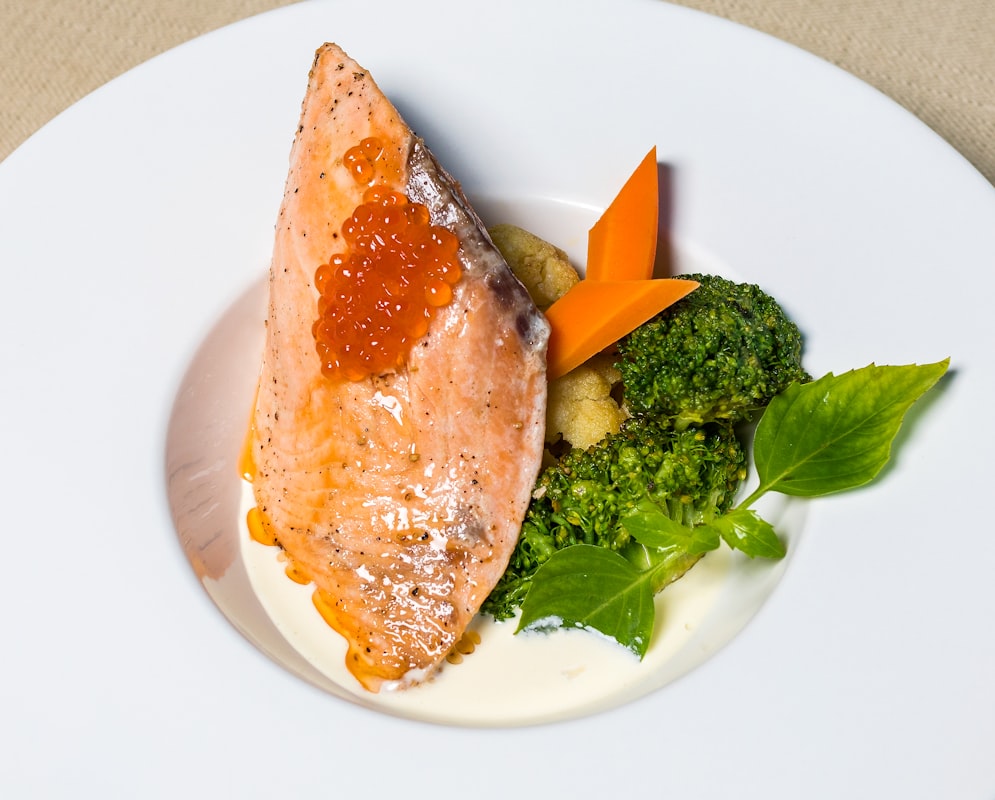
Salmon, sardines, and mackerel provide omega-3 fatty acids that combat inflammation throughout the visual system and support retinal cell health and function.
- Rich omega-3s
- Cell membrane support

Nuts and Seeds
Almonds, sunflower seeds, and walnuts deliver vitamin E and selenium, two critical nutrients that protect eye cells from free radical damage and oxidative stress.
- Vitamin E protection
- Mineral-rich formula
Orange Vegetables
Carrots, sweet potatoes, and pumpkin are rich in beta-carotene and vitamin A, essential for light-sensitive cells in the retina and low-light vision capabilities.
- Beta-carotene abundant
- Vision support

Dark Chocolate & Tea
Dark chocolate and green tea contain polyphenols and catechins that increase blood flow to the eyes and reduce inflammatory markers affecting visual clarity.
- Polyphenol-rich
- Circulation boost
Understanding Inflammation and Vision
Chronic inflammation in eye tissues contributes to progressive vision challenges. When the delicate structures of your eyes—including the retina, lens, and optic nerve—experience prolonged inflammatory responses, they become less able to process light efficiently and maintain visual acuity.
Anti-inflammatory foods work by supplying your body with compounds that naturally calm immune responses and protect cellular structures. These nutrients cross the blood-brain barrier and accumulate in eye tissues, where they neutralize free radicals and support the natural repair mechanisms your eyes use daily.
Reduces Oxidative Stress
Antioxidants neutralize harmful free radicals before they damage photoreceptor cells and supporting structures in the retina.
Strengthens Blood Vessels
Nutrient-dense foods improve microvascular function, ensuring consistent oxygen and nutrient delivery to sensitive eye tissues.
Protects Neural Function
Omega-3s and vitamins support the myelin sheaths surrounding optic nerve fibers, maintaining clear signal transmission to the brain.
Your Eye Health Nutrition Journey
Assess Your Diet
Evaluate your current food intake to identify nutrient gaps. Most people consume too few foods rich in lutein, omega-3s, and protective antioxidants.
Integrate Anti-Inflammatory Foods
Gradually add leafy greens, berries, fatty fish, and nuts to your daily meals. Consistent intake over weeks builds nutrient levels in eye tissues.
Monitor Your Vision
Track changes in eye comfort, visual clarity, and strain levels. Many people notice reduced fatigue within 4-8 weeks of dietary shifts.
Sustain Long-Term Health
Make these foods part of your lifestyle. Eye health is an investment—consistent nutrition supports visual function throughout your life.
Key Features of Anti-Inflammatory Nutrition
Cellular Protection
Anti-inflammatory compounds act as shields against free radical damage, preserving the structural integrity of photoreceptors and retinal pigment epithelium cells that sustain vision throughout life.
Vascular Support
Nutrients enhance endothelial function and improve microcirculation, ensuring the eye receives consistent oxygen and nutrient delivery. Healthy blood vessels mean better overall ocular function.
Neural Function
Omega-3 fatty acids and polyphenols support the myelin surrounding optic nerve fibers and enhance synaptic transmission, improving how visual information travels from your eye to your brain.
Natural Source
Every nutrient comes from whole foods without synthetic additives or processing. Your body recognizes and utilizes these natural compounds more efficiently than isolated supplements.
Energy Optimization
Photoreceptors consume vast amounts of energy. Anti-inflammatory foods support mitochondrial function, ensuring your eyes have the metabolic resources needed for sustained visual performance.
Regenerative Support
These foods activate cellular repair pathways and support the natural renewal processes your eyes use every day. Over time, consistent nutrition enhances tissue resilience and adaptation.
Frequently Asked Questions
Most people notice improvements in eye strain and discomfort within 4 to 8 weeks of consistent anti-inflammatory nutrition. However, some report feeling less fatigued within just 2-3 weeks. The timeline depends on your current diet, overall health, and how extensively you incorporate these foods. Long-term benefits continue to accumulate over months and years.
Absolutely. The comprehensive list of anti-inflammatory foods means you can work around any allergies. If you're allergic to nuts, focus on fatty fish, leafy greens, and berries. Allergic to fish? Double down on walnuts, flaxseeds, and chia seeds for omega-3s. Each food category offers alternatives that provide similar nutrients. The key is consistent intake of whichever anti-inflammatory sources work for your body.
Whole foods are the optimal source because they contain complete nutrient profiles, cofactors, and bioactive compounds that work synergistically. A diet rich in the anti-inflammatory foods featured here can provide sufficient lutein, zeaxanthin, omega-3s, and antioxidants. However, some people benefit from supplements to bridge gaps. Consult with a nutrition professional to determine what's right for your individual situation.
Aim for daily intake from multiple categories: one serving of leafy greens (a cup of raw or half-cup cooked), one handful of berries or nuts, and fatty fish 2-3 times weekly. A practical approach: include leafy greens in salads or cooked dishes, snack on berries or nuts, and eat fatty fish twice a week. This creates a foundation of anti-inflammatory nutrients without requiring extreme dietary changes.
Digital eye strain results from prolonged focus and blue light exposure, which increase oxidative stress in the retina. Anti-inflammatory foods reduce this stress and support the antioxidant defenses your eyes need during screen time. Combined with screen breaks and proper lighting, a nutrient-rich diet significantly reduces digital fatigue. The lutein in leafy greens specifically filters blue light, providing targeted support for screen users.
It's never too late. Your eyes have remarkable regenerative capacity. Even if you've spent years without focusing on nutrition, beginning now activates protective mechanisms and slows further decline. People in their 60s, 70s, and beyond report meaningful improvements in comfort and clarity after dietary shifts. The longer you maintain anti-inflammatory nutrition, the greater the cumulative benefits to your visual function.
Expert Perspectives on Eye Nutrition
"
The research consistently shows that carotenoid-rich foods like spinach and kale reduce inflammatory markers in ocular tissues. When patients shift to anti-inflammatory diets, we see measurable improvements in macular health within months.
Sarah Chen
Nutritional Ophthalmology Specialist, Jakarta
"
Omega-3 fatty acids are essential for retinal development and function. The anti-inflammatory action of these compounds makes them particularly valuable for anyone experiencing digital eye strain or age-related vision changes.
Bambang Wijaya
Retinal Health Research Institute, Bandung
"
I encourage all my clients to view eye health as a whole-body investment. The anti-inflammatory foods we discuss here benefit your cardiovascular system, brain health, and vision simultaneously. It's preventative medicine through nutrition.
Siti Nurhayati
Clinical Nutritionist, Surabaya
Transform Your Vision & Health Today
Join thousands of individuals who've discovered the power of nutrition-based wellness. Whether you're managing an eye condition, preventing future complications, or optimizing overall health, Nutridietpro provides the science-backed guidance you need.
Our personalized nutrition plans address the root causes of health challenges—not just the symptoms.
- Expert-Guided Plans: Created by certified nutritionists with eye health specialization
- Holistic Approach: Nutrition solutions that support vision and systemic wellness
- Ongoing Support: Regular consultations and adjustments for lasting results
- Evidence-Based: All recommendations grounded in current nutritional science
Frequently Asked Questions
Get answers to common questions about nutrition-based eye wellness and our services